In a world where dreams of homeownership can quickly turn into nightmares, real estate scams lurk around every corner, ready to pounce. Whether it’s a too-good-to-be-true rental or an investment opportunity that sounds like a plot twist in a bad movie, these scams can leave even the savviest buyers scratching their heads.
But fear not! With a little knowledge and a dash of humor, navigating the murky waters of real estate scams becomes a lot less daunting. From fake listings to phantom landlords, understanding the warning signs can save not only money but also sanity. So, buckle up and get ready to laugh while learning how to protect yourself from the shadiest characters in the property game.
Overview of Real Estate Scams
Real estate scams represent a significant danger to potential buyers and renters. Unscrupulous individuals exploit the housing market, leaving victims financially devastated and emotionally drained. Various scams exist, including fake listings, where properties advertised online do not exist. Phantom landlords deceive renters by claiming ownership of properties they do not own, which can lead to financial loss.
Identifying red flags can protect individuals from falling victim to these scams. Excessive urgency often signals a scam, especially when pressured to act quickly without proper verification. Prices significantly lower than market value should raise suspicion, prompting further investigation. Lack of verifiable information about the landlord or seller is another warning sign.
Victims of real estate scams often report lasting consequences. Financial strain often results from losing deposits or rental fees. Additionally, emotional distress can linger long after the financial repercussions fade. Understanding the warning signs and common tactics used by scammers equips prospective buyers and renters to avoid deception.
Exploring reputable resources is crucial for navigating the real estate landscape. Real estate commissions and consumer protection agencies offer valuable insights. Online platforms and local community boards often provide warnings about known scams. Leveraging these resources enables individuals to stay informed and secure in their real estate endeavors.
Awareness of the prevalence and characteristics of real estate scams empowers consumers. By employing safe practices, individuals can protect themselves from becoming victims. With diligence and knowledge, navigating the housing market becomes a more secure experience.
Types of Real Estate Scams
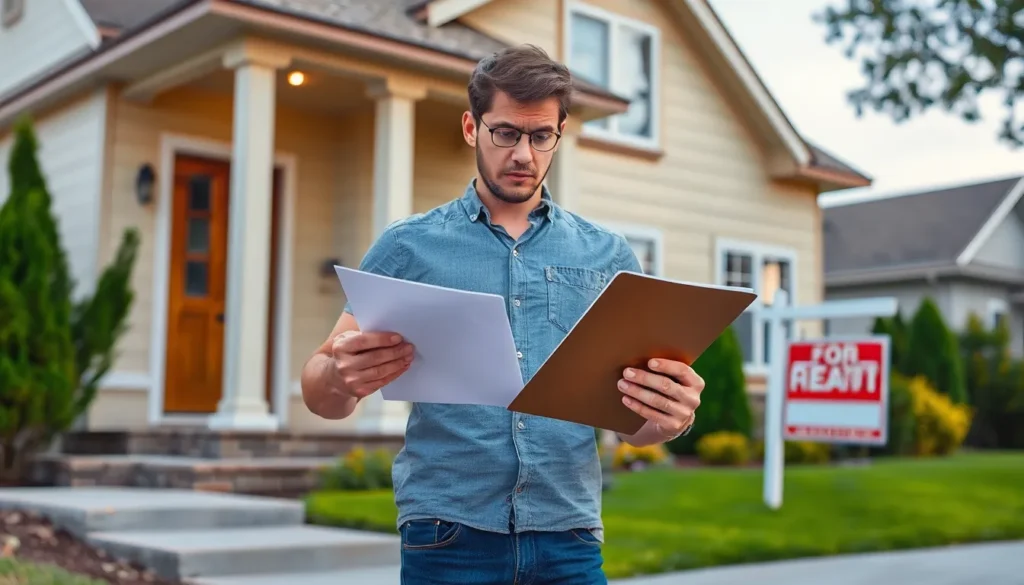
Understanding the various types of real estate scams can significantly reduce the risk of falling victim. Below are some common scams in the real estate market.
Rental Scams
Rental scams frequently target unsuspecting tenants. Fake listings appear on websites, luring individuals with prices that seem too good to be true. Often, scammers advertise properties they don’t own or manage. They might request deposits or rent payments before the victim even sees the property. It’s vital to verify the property ownership through public records or contact the genuine property manager before proceeding. Always visit the property in person and never send money without concrete proof of legitimacy.
Mortgage Scams
Mortgage scams often deceive hopeful homeowners seeking financing. Fraudsters may promise loans with low fees and rates that seem attractive. These scams can include “foreclosure rescue” schemes where they charge upfront fees to save homes from foreclosure. Borrowers may unknowingly sign documents that put their home at risk. Always compare mortgage offers from multiple lenders and read terms carefully. Consulting financial experts can also reduce exposure to these high-risk situations.
Title Fraud
Title fraud poses a significant threat in real estate transactions. Scammers may forge documents to claim ownership of a property. They might then sell the property to an unsuspecting buyer, leading to financial loss for both the original owner and the buyer. Title insurance can provide protection against this type of fraud, covering losses resulting from fraudulent claims. Researching the title history of a property before purchasing establishes clearer ownership and mitigates risks effectively. Regular monitoring of property records can also help detect fraudulent activities early.
Warning Signs of Real Estate Scams
Recognizing warning signs of real estate scams helps individuals avoid falling victim. Several red flags can indicate potential fraud.
Unusually Low Prices
Prices that seem too good to be true raise immediate suspicion. Scammers often advertise properties at significantly reduced rates to attract quick responses. A price that’s drastically lower than comparable listings should prompt further investigation. Serious buyers often discover hidden fees or undisclosed issues once they’ve engaged. Excessive renovations or damage might lurk behind that appealing price tag. Investigating the property’s history can reveal whether those low prices mask a scam. Potential buyers should verify the authenticity of listings and consult reputable sources to validate claims.
Pressure Tactics
Scammers frequently apply pressure tactics to force hasty decisions. Urgency can manifest through limited-time offers or claims of multiple interested parties. Individuals may feel rushed to make deposits without full consideration. Buyers should remain cautious when asked for immediate commitments, especially with high amounts. Authentic sellers encourage thoughtful consideration, while scammers manipulate emotions to their advantage. Additionally, questionable communication methods may arise, including requests for cash transactions. Recognizing these tactics can help individuals step back and reassess their situations.
How to Protect Yourself from Real Estate Scams
Taking precautions plays a key role in avoiding real estate scams. Strategies exist that help individuals safeguard their investments.
Research and Verification
Conducting thorough research ensures safety when dealing with real estate transactions. Verify property listings by cross-referencing information across multiple platforms. Use trusted websites that specialize in real estate to validate details. Check for the authenticity of property ownership through county records. Consult local real estate agents for insights and recommendations. Seeking references can provide additional confidence in your dealings. Verify the legitimacy of landlords or sellers by asking for identification and business licenses. These steps not only provide protection but also minimize exposure to potential fraud.
Trust Your Instincts
Listening to gut feelings often leads to better decision-making in real estate transactions. If something feels off, it likely warrants further investigation. Pressure tactics often indicate deceptive practices. Avoid rushing into agreements, especially if you feel uncomfortable. Solicit the opinions of trusted friends or family members to gain different perspectives. Being skeptical of deals that seem too good to be true encourages vigilance. Trusting instincts can uncover hidden red flags that may otherwise be overlooked. Maintaining awareness of personal feelings throughout the process creates a more secure approach to real estate investments.
Legal Consequences of Real Estate Scams
Legal repercussions for real estate scams vary by jurisdiction, but they often carry severe penalties. Victims might report scams to law enforcement, leading to criminal investigations. Offenders can face charges including fraud, forgery, and theft, with penalties ranging from fines to imprisonment.
Civil lawsuits might also arise, allowing victims to seek compensation for financial losses. Evidence of deceptive practices strengthens these cases, making it crucial for victims to gather documentation. Courts may award damages that cover lost deposits or additional expenses incurred due to scams.
Real estate agents and companies involved in scams may face disciplinary actions from licensing boards. Suspension or revocation of licenses can occur, along with financial penalties assessed for engaging in unethical practices. Regulatory agencies actively monitor real estate transactions to prevent fraudulent activities.
In addition, some states have established laws to protect consumers against scams, offering specific provisions for restitution. These laws emphasize the importance of transparency in transactions, underscoring legitimate sellers’ responsibilities.
Criminal history can also haunt perpetrators of real estate scams. A conviction for fraud can impact future employment opportunities and housing applications. Background checks often reveal such offenses, deterring potential landlords or employers.
Government agencies, such as the Federal Trade Commission, provide resources to help victims report scams. Reporting fraud helps authorities track trends, preventing more potential victims. Awareness and action contribute to a safer real estate environment for all involved.
Real estate scams pose significant risks that can disrupt lives and finances. By staying informed and vigilant, individuals can better protect themselves from these deceptive practices. Recognizing warning signs and conducting thorough research are essential steps in ensuring a safe property transaction.
It’s crucial to trust instincts and seek professional guidance when needed. Reporting scams not only aids in personal recovery but also contributes to a broader effort to combat fraud in the real estate market. With the right knowledge and resources, potential buyers can navigate the complexities of real estate with confidence and security.