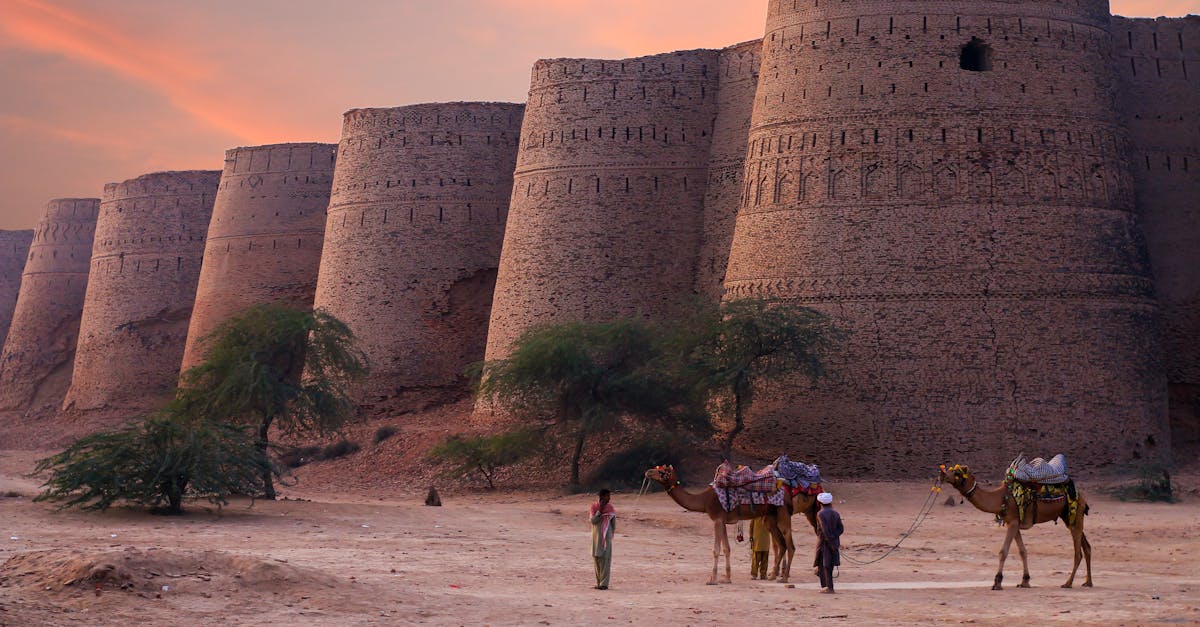
Pakistan’s culture is a vibrant tapestry woven from centuries of history, tradition, and a splash of spice—both in food and in life. From the bustling streets of Lahore to the serene valleys of Swat, every corner offers a unique flavor that leaves a lasting impression. If you think you know what makes Pakistan tick, think again.
Table of Contents
ToggleOverview of Pakistan Culture
Pakistan’s culture showcases a blend of varied influences from its geographic, historical, and ethnic backgrounds. Residents celebrate multiple traditions influenced by Islam, Hinduism, and regional beliefs. Languages in Pakistan reflect this diversity; Urdu serves as the national language, while Punjabi, Sindhi, Pashto, and Balochi represent other prominent regional languages.
Art forms in Pakistan are diverse and include music, dance, and visual arts. Classical music thrives, with genres like Qawwali and Ghazal captivating audiences. Traditional dance forms such as Bhangra and Chapli reflect regional identities. Visual arts encompass ancient calligraphy, intricate tile work, and contemporary art, each highlighting unique cultural narratives.
Cuisine stands as a vital element of Pakistani culture. Dishes like biryani, nihari, and kebabs reveal rich flavors from various regions. Spices play a prominent role, enabling culinary exploration among locals and visitors. Family gatherings often center around meals, emphasizing bonds and traditions.
Festivals bring vibrancy to the cultural landscape. Eid celebrations attract thousands each year, marked by special prayers and festive foods. Basant, the spring festival in Punjab, features colorful kite flying, symbolizing joy and renewal.
Clothing varies significantly across regions. Traditional attire like the shalwar kameez remains popular among both men and women. Fabrics and patterns often represent local cultures, showcasing vibrant designs through embroidered pieces.
In essence, Pakistan’s culture stems from a rich mosaic of influences, traditions, and languages. Understanding this cultural depth enhances appreciation for the country’s historical significance and its ever-evolving identity.
Major Cultural Influences
Pakistan’s culture emerges from a blend of various influences, showcasing a tapestry of history and traditions that define its identity. Islamic practices, as well as regional beliefs, shape cultural expressions across the country.
Historical Context
Historical events significantly impacted Pakistan’s cultural evolution. The Indus Valley Civilization laid early foundations for art and trade. Subsequent influences from empires like the Maurya, Gupta, and Mughal expanded cultural depth. Islamic conquests infused religious traditions, architectural styles, and literary forms. The partition of British India in 1947 introduced socio-political changes, further influencing the cultural landscape. Significant migrations shaped diverse communities, generating rich, multifaceted cultural narratives across the regions.
Regional Variations
Regional variations paint distinct cultural portraits across Pakistan. Each province showcases unique traditions, languages, and arts. Punjab emphasizes vibrant folk traditions, including Bhangra dance and Gidha performances. Sindh features the rich heritage of Sufi music and the famous Sindhi Ajrak cloth. Khyber Pakhtunkhwa highlights Pashto music and traditional Pashto attire. Baluchistan juxtaposes rugged landscapes with intricate craftsmanship, particularly in embroidery and jewelry. Each region offers distinct culinary delights and festivals, celebrating local heritage while contributing to the nation’s diverse identity.
Language and Literature
Language and literature form essential components of Pakistan’s rich cultural tapestry. The nation uniquely showcases a variety of languages that reflect its diverse population.
National Languages
Urdu serves as the national language of Pakistan, acting as a unifying medium for communication. Alongside it, regional languages like Punjabi, Sindhi, Pashto, and Balochi enrich the linguistic landscape. Punjabi boasts the largest number of speakers, primarily found in Punjab province. Sindhi, prevalent in Sindh, has a long literary tradition. Khyber Pakhtunkhwa emphasizes Pashto, which carries a deep cultural significance. Balochi, spoken in Baluchistan, highlights the ethnic diversity present. Each language encapsulates local traditions and stories, contributing to the vibrant identity of Pakistan.
Famous Authors and Poets
Pakistan’s literary history features many renowned authors and poets who have made significant contributions. Allama Iqbal, celebrated as the national poet, inspired movements through his philosophical poetry. Bano Qudsia, an acclaimed novelist, explored social issues in her works, leaving a lasting impact on Urdu literature. Faiz Ahmed Faiz, known for his revolutionary poetry, resonated with the struggles of the common people. These literary figures, among others, shape the country’s cultural narrative. Their works continue to inspire generations, showcasing the depth and richness of Pakistan’s literary heritage.
Traditions and Festivals
Pakistan’s traditions and festivals reflect its rich cultural heritage and communal spirit. These celebrations embody the country’s diversity, showcasing how various ethnicities and religions contribute to the nation’s vibrant culture.
Religious Celebrations
Religious celebrations play a crucial role in Pakistani culture. Eid al-Fitr marks the end of Ramadan, featuring communal prayers, feasting, and giving charity. Eid al-Adha commemorates the willingness of Ibrahim to sacrifice his son, involving the ritual sacrifice of animals and sharing meat with those in need. Muharram, particularly Ashura, holds significant importance for Shia Muslims, involving rituals of mourning and remembrance. These occasions highlight community bonding and the practice of shared values, bringing people together in worship and celebration.
Cultural Festivals
Cultural festivals offer a lively expression of Pakistan’s diverse heritage. Basant, celebrated in Punjab, welcomes the arrival of spring with kite flying and vibrant festivities. The Lok Mela festival showcases folk music, dance, and handicrafts from various regions, promoting traditional arts. Sindh’s Urs ceremonies honor revered Sufi saints, drawing crowds for spiritual reflection and celebration. Additionally, the Shandur Polo Festival celebrates the sport, attracting enthusiasts to witness thrilling matches against the stunning backdrop of the mountains. These events cultivate a sense of pride in regional identities while fostering unity across the nation.
Cuisine of Pakistan
Cuisine reflects the heart of Pakistan’s culture, showcasing rich flavors and communal experiences. Traditional recipes vary across regions, embodying the diverse influences that shape each dish.
Traditional Dishes
Biryani stands out as a flavorful rice dish, often layered with marinated meat and aromatic spices. Nihari, a slow-cooked stew, features tender beef or lamb simmered overnight, enhancing its richness. Seekh kebabs, minced meat skewers, deliver a smoky flavor grilled to perfection. Samosas, made with spiced potatoes or meat, serve as popular snacks during gatherings, igniting festive conversations. Last but not least, halwa, a semolina dessert, rounds out meals with its sweet, comforting taste.
Regional Specialties
Punjab is famous for its buttery dal makhani, while Sindh offers a distinct Sindhi biryani, renowned for its tangy flavor. Khyber Pakhtunkhwa presents chapli kebabs, providing a spicy twist that locals adore. In Baluchistan, sajji features whole roasted lamb and showcases the province’s unique culinary style. Each region not only highlights its traditional dishes but also embraces local spices and cooking methods, enriching the overall culinary landscape of Pakistan.
Art and Craft
Pakistan’s art and craft scene reflects a rich history intertwined with regional influences. Artisans across the country create works that express the diversity of its culture.
Traditional Handicrafts
Traditional handicrafts stand out for their intricate designs and historical significance. Pottery from Punjab showcases vibrant colors and unique motifs. Sindh contributes beautifully woven fabrics like Ajrak that feature complex patterns. Woodwork from Khyber Pakhtunkhwa includes stunning carvings that often depict local flora and fauna. Moreover, Baluchistan is renowned for its handwoven rugs, showcasing craftsmanship passed down through generations. Each piece tells a story, connecting modern society with age-old traditions.
Modern Artistic Expressions
Modern artistic expressions in Pakistan reflect contemporary themes and global influences. Emerging artists experiment with diverse mediums, from painting to digital art. Urban centers, particularly Karachi and Lahore, flourish with galleries showcasing avant-garde exhibits. Street art has gained popularity, transforming cityscapes into vibrant canvases that convey social messages. Additionally, fusion music reflects a blend of traditional and modern sounds, resonating with the youth. This evolving landscape captures the spirit of a nation embracing cultural dynamism while honoring its roots.
Pakistan’s culture is a vibrant tapestry woven from its diverse traditions and rich history. Each region contributes unique flavors and customs that reflect the country’s multifaceted identity. From the lively music and dance forms to the intricate arts and culinary delights, the cultural expressions are a testament to the nation’s heritage.
The significance of language and literature further enriches this cultural landscape, with voices that inspire and provoke thought. Festivals and communal celebrations foster unity and shared values, reinforcing the importance of community in Pakistani life.
As Pakistan continues to evolve, its cultural richness remains a source of pride and identity, inviting exploration and appreciation from both locals and visitors alike.