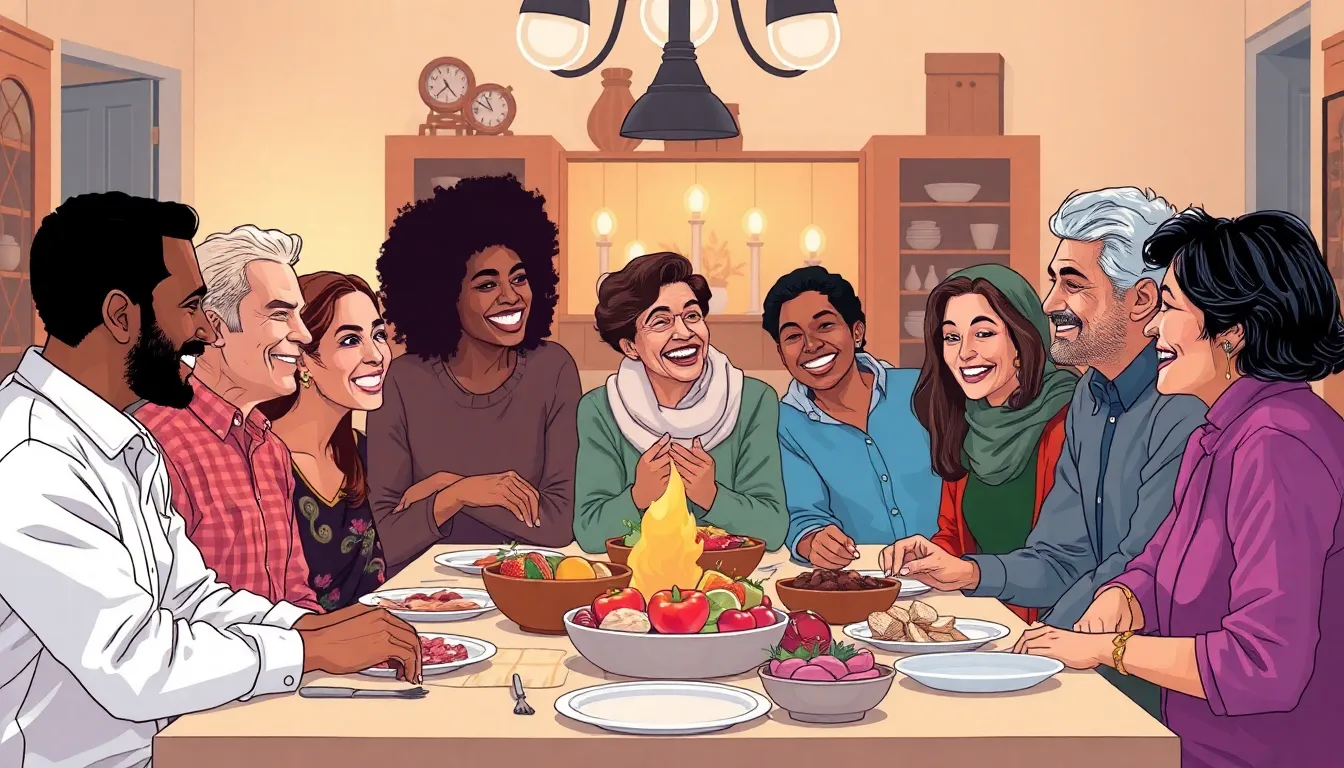
Cultural meaning is like the secret sauce of human interaction—it adds flavor and depth to our everyday lives. From the quirky traditions that make family gatherings unforgettable to the symbols that unite communities, understanding cultural meaning can transform the mundane into the extraordinary. It’s not just about what we do; it’s about why we do it, and that’s where the magic happens.
Imagine navigating a world where everyone speaks their own language of customs and beliefs. It can feel like trying to dance the tango while everyone else is doing the cha-cha. By unraveling the layers of cultural meaning, one can not only avoid stepping on toes but also truly connect with others. So buckle up as we dive into the fascinating world of cultural meaning—where every tradition has a tale, and every symbol holds a secret waiting to be discovered.
Understanding Cultural Meaning
Cultural meaning encompasses the beliefs, practices, and symbols that define a community’s identity. It shapes how individuals perceive their surroundings and interact with one another. Traditions serve as vessels for these meanings, often passed down through generations.
Values embedded in cultural practices provide context for actions and decisions. For example, a family dinner in many cultures signifies unity and support. Recognizing these nuances enhances interpersonal relationships, allowing for deeper connections.
Symbols within cultures carry rich meanings that can vary widely. A dove might represent peace in one culture, while in another, it symbolizes purity. Understanding these differences fosters respect and acknowledgment among diverse groups.
Ceremonies often highlight the significance of cultural meaning. Events such as weddings or festivals reflect a society’s historical and spiritual beliefs. Participants in these events create shared experiences that reinforce their cultural identity.
Language also plays a crucial role in conveying cultural meaning. Words can hold specific connotations that reflect societal attitudes and histories. Familiarity with a culture’s language can enhance understanding and appreciation of its values and traditions.
Engaging with cultural meaning enriches everyday experiences. Embracing the stories behind various customs deepens the enjoyment of communal activities. As individuals navigate these landscapes, they experience a vibrant tapestry of human life.
The Importance of Cultural Meaning
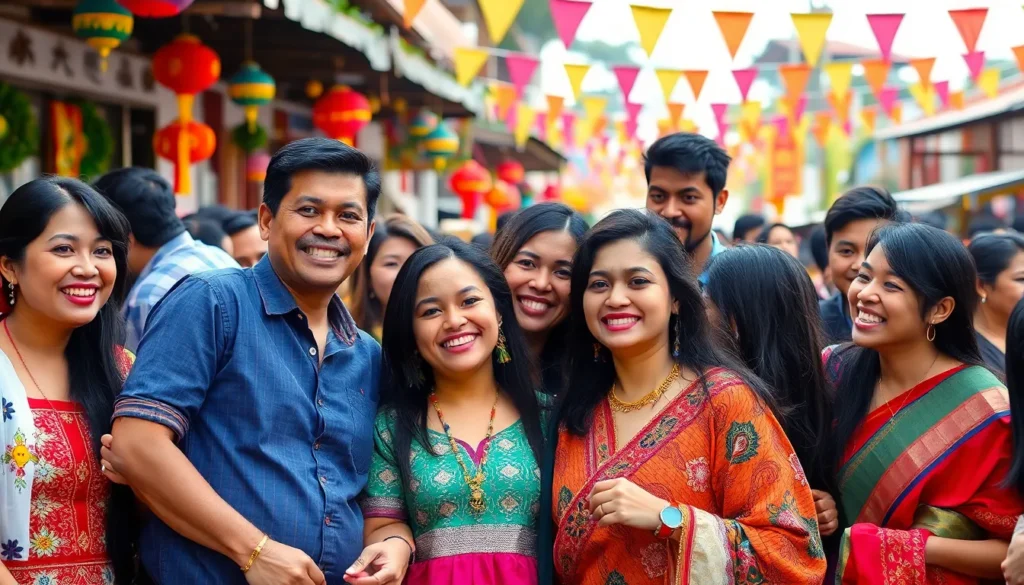
Cultural meaning significantly shapes identity and fosters a sense of belonging within communities. Identity often derives from customs and traditions unique to a group. Individuals share stories and experiences that enhance their connection to cultural roots. Belonging reflects how traditions unify people, reinforcing their shared values. For example, participating in local festivals strengthens bonds among community members. They celebrate unique histories and foster pride in cultural identity. Recognizing these aspects enhances understanding and nurtures deeper relationships among diverse groups.
Communication offers a crucial pathway for expressing cultural meaning. Language, a primary tool for sharing thoughts, embodies cultural values and social norms. Words carry specific connotations that vary across cultures. Individuals utilize symbols and gestures to convey sentiments that resonate within particular groups. Different expressions enrich authentic interactions, avoiding misunderstandings. For instance, greetings can differ in formality and intent, influencing perceptions. Acknowledging linguistic nuances enhances connections between individuals from varying backgrounds, leading to more meaningful exchanges.
Cultural Meaning in Different Contexts
Cultural meaning manifests in various ways, shaping experiences across diverse sectors of society.
Arts and Literature
Arts and literature serve as powerful expressions of cultural meaning. Through visual arts, like paintings and sculptures, individuals convey emotions, traditions, and social commentaries. Renowned works reflect the values and beliefs of the societies from which they originate, offering insight into cultural identities. Literature, in particular, encapsulates distinct narratives and folklore, connecting readers to shared human experiences. Authors often utilize culturally significant symbols to evoke feelings or provoke thought, generating engagement with their audience. Classic novels, for example, reveal societal norms and challenges, fostering understanding of historical contexts. Both art forms contribute to cultural preservation, encouraging dialogue and reflection among different generations.
Religion and Spirituality
Religion and spirituality form essential frameworks for interpreting cultural meaning. These domains incorporate beliefs, rituals, and ethical values that define communities. Many individuals find purpose and guidance through religious teachings, which often reflect deep cultural roots. Festivals, like Diwali or Christmas, emphasize shared values, bringing people together in celebration. Sacred texts provide moral guidance and insights into traditions, shaping behaviors and worldviews. Spiritual practices, such as meditation or prayer, foster personal connections to cultural heritage. Individuals draw strength and identity from these practices, reinforcing their ties to their community and its historical narratives.
The Evolution of Cultural Meaning
Cultural meaning evolves through time, reflecting societal changes and historical contexts. Changes in technology, social structures, and interactions shape how communities understand their identities. For example, globalization influences cultural exchanges, blending traditions and creating new interpretations of meaning.
Traditions adapt over generations, preserving core values while incorporating contemporary influences. These adaptations can lead to the emergence of new cultural symbols, which sometimes resonate more with younger generations. Festivals and rituals often get redefined, making them more relevant to modern audiences, while still honoring their original significance.
Language also shifts in response to cultural evolution. New words and phrases arise, reflecting current societal attitudes and collective experiences. Recognizing and understanding these linguistic changes fosters deeper connections among diverse groups. This linguistic adaptability illustrates how cultural meaning continues to transform and grow.
Art and literature play pivotal roles in this evolution. Artists and writers express contemporary societal values and challenges, reflecting the cultural landscape. Through visual arts, folk tales, and narratives, they capture both the historical context and modern sentiments, bridging gaps between generations.
Religion and spirituality contribute to the ongoing evolution of cultural meanings as well. Beliefs shift over time within communities, often influenced by broader social movements or intercultural exchanges. These shifts manifest through new interpretations of rituals and practices, maintaining relevance and connection among individuals.
Overall, the evolution of cultural meaning represents a dynamic interplay of tradition and modernity. Understanding this evolution involves navigating complex relationships between past and present, allowing individuals to appreciate the rich tapestry of cultural experiences that continue to shape society.
Cultural meaning is a vital thread woven into the fabric of human experience. It shapes identities and fosters connections that transcend boundaries. By embracing the richness of diverse customs and traditions, individuals can cultivate deeper relationships and a greater understanding of the world around them.
As cultures evolve and adapt, the meanings behind symbols and practices continue to grow. This dynamic nature invites exploration and appreciation of the myriad ways people express their identities. Engaging with cultural meaning not only enriches personal experiences but also nurtures a sense of belonging within communities. Ultimately, recognizing and respecting these cultural nuances enhances the vibrancy of human interactions, allowing for a more harmonious coexistence.