Cultural conflict is like a surprise party gone wrong—everyone’s invited, but not everyone’s on the same page. When different beliefs, values, and customs collide, misunderstandings can turn into full-blown chaos faster than you can say “cultural exchange.” Whether it’s a heated debate over dinner etiquette or a clash of music genres, these conflicts can lead to both hilarious and eye-opening moments.
Understanding Cultural Conflict
Cultural conflict emerges from misunderstandings among individuals with different beliefs, values, and practices. Participants in everyday situations may initially collide, leading to moments that can be humorous or educational.
Definition of Cultural Conflict
Cultural conflict refers to the friction caused by differing cultural backgrounds. Disparities can arise in communication styles, social behaviors, and worldviews. Frequently, this conflict surfaces in diverse environments such as workplaces, schools, or community gatherings. Cultural misunderstanding often amplifies these issues, producing tension or disagreement. Effective resolution requires awareness of each group’s customs and values to foster mutual respect.
Causes of Cultural Conflict
Several factors contribute to cultural conflict. Differing belief systems frequently create a divide between individuals. Distinct communication styles can lead to misinterpretations or offense. Additionally, cultural norms surrounding authority and personal space often clash, resulting in discomfort or resentment. Variation in values, such as individualism versus collectivism, plays a critical role as well. Recognizing these causes enables better navigation through cultural interactions, reducing conflict.
Examples of Cultural Conflict
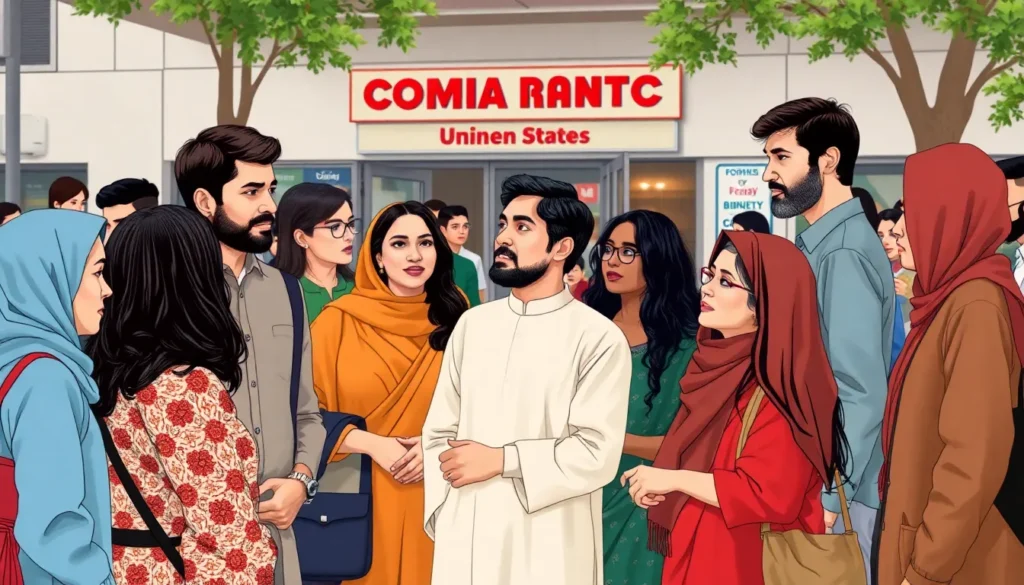

Cultural conflicts occur in various instances throughout history and in contemporary society. Notable examples illustrate the complexities and challenges these conflicts present.
Historical Examples
Colonialism led to significant cultural conflict globally, as European powers imposed their beliefs on indigenous populations. The forced assimilation of Native Americans into European culture caused disruption in their traditional ways of life. The Opium Wars in China exemplified cultural clash, driven by British trade interests versus Chinese customs. Both incidents show the profound impacts of contrasting cultures on societies, often resulting in long-lasting repercussions.
Modern-Day Examples
Nowadays, cultural conflict emerges frequently in multicultural cities. Workplace diversity can trigger misunderstandings related to communication styles and values. An example includes the challenges faced by immigrants navigating social norms different from their home countries. Another instance happens in educational settings, where differing cultural views on authority may lead to student-teacher tensions. These situations emphasize the ongoing need for awareness and sensitivity in handling cultural differences.
Impact of Cultural Conflict
Cultural conflict significantly affects both individuals and societies. Understanding these impacts facilitates better navigation of diverse environments.
On Individuals
Cultural conflict can lead to emotional distress for individuals. Feelings of isolation or frustration often arise during misunderstandings. Adapting to new cultural norms may become overwhelming. Anxiety can increase due to the challenge of reconciling different values. Individuals might also experience identity crises, questioning their cultural affiliations. Communication barriers complicate interactions, causing misunderstandings. Therefore, developing cultural competence is imperative for personal growth and improved relationships.
On Societies
Cultural conflict poses challenges to societal cohesion. Communities may experience division, leading to social fragmentation. Tensions can escalate, resulting in conflict or violence. Diversity brings both opportunities and obstacles in harmonizing different beliefs. Historical instances illustrate how cultural clashes can influence societal structures and policies. Economies may suffer as mistrust breeds disengagement among community members. Cultivating an environment that embraces diversity enhances mutual respect and understanding. Recognizing these dynamics is essential for fostering inclusive societies.
Resolution Strategies
Effective resolution strategies promote understanding and mitigate cultural conflicts. These strategies center on communication and collaboration among individuals from diverse backgrounds.
Communication Techniques
Active listening plays a crucial role in reducing misunderstandings. Individuals often clarify their perspectives by asking open-ended questions. Nonverbal cues, such as eye contact and gestures, help convey respect and intention. Using simple language facilitates better comprehension across cultures. Providing feedback ensures that all parties feel heard and valued. Establishing a common ground, such as shared goals, fosters a cooperative atmosphere.
Mediation and Negotiation
Neutral mediators often facilitate discussions during cultural conflicts. They create a safe space for parties to express their concerns openly. Identifying underlying interests is vital, as it leads to more effective solutions. Involving all stakeholders ensures that everyone’s views are represented. Exploring win-win scenarios helps build trust between conflicting parties. Following up after mediation maintains ongoing dialogue and strengthens relationships.
Cultural conflict is an inevitable part of human interaction in an increasingly diverse world. By acknowledging the underlying causes and recognizing the unique perspectives each individual brings, it’s possible to navigate these challenges more effectively. Embracing empathy and open dialogue can transform misunderstandings into opportunities for growth and connection.
Fostering an inclusive environment not only enhances mutual respect but also strengthens societal bonds. As individuals and communities strive to bridge cultural divides, they pave the way for a more harmonious coexistence. Ultimately, the journey toward understanding and collaboration is essential for building a future where diverse cultures can thrive together.