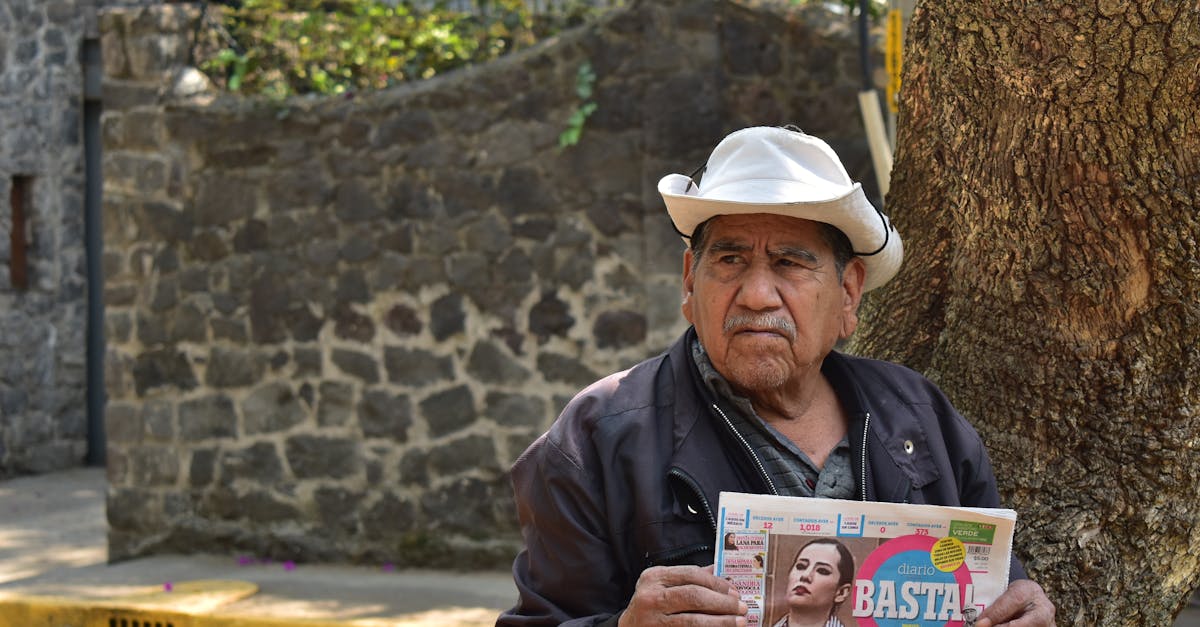
Dive into the vibrant world of Mexican culture, where every taco tells a story and every fiesta is a reason to celebrate life. From the colorful traditions that paint the streets to the mouthwatering cuisine that dances on the taste buds, Mexico is a treasure trove of fascinating facts waiting to be uncovered.
Table of Contents
ToggleOverview of Mexican Culture
Mexican culture reflects a blend of indigenous traditions and Spanish influences. The arts play a significant role, with colorful murals and vibrant folk art captivating audiences worldwide. Music and dance also hold importance; mariachis and folklórico dancers showcase the country’s rich heritage.
Cuisine stands as a cornerstone of social life in Mexico. Tacos, enchiladas, and tamales are just a few examples of the diverse offerings. Ingredients like corn, beans, and chili peppers form the basis of many meals, highlighting the region’s agricultural bounty.
Family ties form the backbone of Mexican society. Families often gather for celebrations, reinforcing connections and passing down cultural traditions. Festivals such as Día de los Muertos illustrate these communal bonds, honoring deceased loved ones through elaborate altars and offerings.
Language diversity is notable, with Spanish as the primary language, while over 60 indigenous languages spoken add richness. Aspects of local dialects pop up in everyday conversation, showcasing regional identities.
Religion influences cultural practices, with Catholicism prominently featured. Major holidays, including Christmas and Easter, include distinct traditions that combine indigenous and Spanish customs.
Regional variations in dress also highlight Mexico’s cultural diversity. Traditional garments, like the colorful embroidered blouses and sombreros, differ across states, making each region unique.
Overall, Mexican culture combines historical legacies with contemporary life, creating a dynamic tapestry of traditions and practices. The country’s unique attributes contribute to its status as a cultural treasure.
Traditional Mexican Festivals
Traditional Mexican festivals showcase the country’s vibrant culture and deep-rooted customs. Celebrations often feature lively music, colorful attire, and delicious food, reflecting the richness of Mexican heritage.
Día de los Muertos
Día de los Muertos, or Day of the Dead, occurs annually on November 1st and 2nd. The celebration honors deceased loved ones through colorful altars known as ofrendas. Families prepare traditional offerings that include sugar skulls, marigolds, and favorite foods of the departed. Altars often showcase photographs of the deceased, inviting spirits to return for a day. Communities celebrate with parades, music, and vibrant decorations, emphasizing the belief in the continuity of life and death.
Cinco de Mayo
Cinco de Mayo, celebrated on May 5th, commemorates the Mexican victory at the Battle of Puebla in 1862. Events feature traditional music, such as mariachi bands, alongside folkloric dance performances. Participants enjoy parades showcasing regional costumes and cultural pride. Food stalls offer delicious Mexican dishes, including tacos and tamales, highlighting the country’s culinary heritage. While it receives greater recognition in the United States, the day serves as a reminder of Mexico’s historical resilience and unity.
Mexican Cuisine
Mexican cuisine reflects a vibrant blend of tradition and innovation, showcasing an abundance of flavors and ingredients. This culinary tradition emphasizes the use of fresh produce, spices, and textures that define its dishes.
Staple Ingredients
Corn serves as a foundational element in Mexican food, appearing in forms like tortillas and tamales. Beans provide protein and are common side dishes. Chiles, such as jalapeños and serranos, add vibrant heat and distinct flavors. Tomatoes contribute to the country’s signature salsas and sauces. Avocados, particularly in guacamole, provide creaminess and richness. Herbs like cilantro and epazote enhance flavors, while lime adds a refreshing acidity. Together, these ingredients form the basis of many beloved dishes.
Popular Dishes
Tacos stand out as an iconic Mexican dish, featuring a variety of fillings, from meats to vegetables. Enchiladas, rolled tortillas filled with ingredients and topped with sauce, highlight regional ingredients and flavors. Tamales, wrapped in corn husks, offer a portable treat filled with meats, cheeses, or fruits. Pozole is a hearty soup made with hominy and can be enjoyed with various toppings. Chiles en nogada, a festive dish, features stuffed peppers drizzled with walnut sauce. Mexican cuisine is diverse, providing a rich culinary experience for anyone willing to explore its delights.
Arts and Crafts
Mexican arts and crafts celebrate a vibrant heritage, showcasing skills passed down through generations. The country’s artistic expressions reflect its diverse cultures and rich history.
Traditional Handicrafts
Artisans create stunning traditional handicrafts that include pottery, weaving, and textiles. Talented individuals produce beautiful Talavera pottery, renowned for its intricate designs and vivid colors. Weaving is another integral part of Mexican culture, with regions like Oaxaca and Chiapas famous for their unique patterns. Textiles made from handwoven fibers often feature bright hues and intricate designs, capturing the essence of indigenous craftsmanship. Additionally, wood carving, particularly in Oaxaca, showcases exceptional artistry in figurines and decorative items. These handicrafts not only serve functional purposes; they also embody cultural significance and tell stories of Mexican heritage.
Famous Mexican Artists
Prominent Mexican artists have significantly impacted global art scenes, each leaving a lasting legacy. Diego Rivera, well-known for his murals, portrayed Mexico’s revolutionary history and social issues. Another influential figure, Frida Kahlo, gained fame for her deeply personal and expressive paintings that explore identity and pain. Rufino Tamayo, celebrated for blending modernist techniques with traditional Mexican themes, created a unique artistic voice. Contemporary artists like Gabriel Orozco and Teresa Margolles continue to push boundaries, exploring modern issues through innovative mediums. Each artist contributes to a rich tapestry of Mexican art, reflecting the nation’s diverse cultural landscape.
Mexican Music and Dance
Mexican music and dance reflect the nation’s rich cultural heritage. These expressive forms serve as vital links to tradition and community.
Mariachi and Folklore
Mariachi music embodies Mexican culture, with its lively rhythms and vibrant instruments. Typically, mariachi groups consist of violins, trumpets, guitars, and sometimes harps. Folk dances, such as Jarabe Tapatío, feature colorful dresses and traditional steps. These performances showcase regional styles and storytelling through movement. Celebrations like weddings and quinceañeras often include mariachi bands to enhance the festive atmosphere. Furthermore, mariachi music symbolizes Mexican national identity, often performed during patriotic events. Festivals, including the Mariachi Festival in Guadalajara, honor this iconic genre, attracting musicians and enthusiasts worldwide.
Modern Influences
Modern influences shape Mexican music and dance, creating a blend of traditional and contemporary styles. Rock, pop, and hip-hop artists infuse Mexican rhythms into their work, appealing to younger audiences. Artists like Café Tacvba and La Sonora Dinamita illustrate this fusion, mixing traditional sounds with modern genres. Urban dance styles, such as breakdancing, gain popularity in cities across Mexico, showcasing a dynamic cultural exchange. Music festivals, such as Vive Latino, celebrate emerging talents and diverse genres. Additionally, social media platforms help spread awareness of Mexican musical traditions, making them accessible globally.
Mexican culture is a vibrant tapestry woven from rich traditions and diverse influences. Its colorful festivals and mouthwatering cuisine reflect a deep connection to history and community. The celebration of life through events like Día de los Muertos showcases the unique perspective on mortality and remembrance.
Art, music, and dance play vital roles in expressing the nation’s identity, bridging the past with modern creativity. From the lively sounds of mariachi to the intricate patterns of traditional crafts, every aspect of Mexican culture tells a story.
As one explores this cultural treasure, it becomes clear that Mexico’s heritage is not just a collection of facts but a living experience that continues to evolve and inspire.