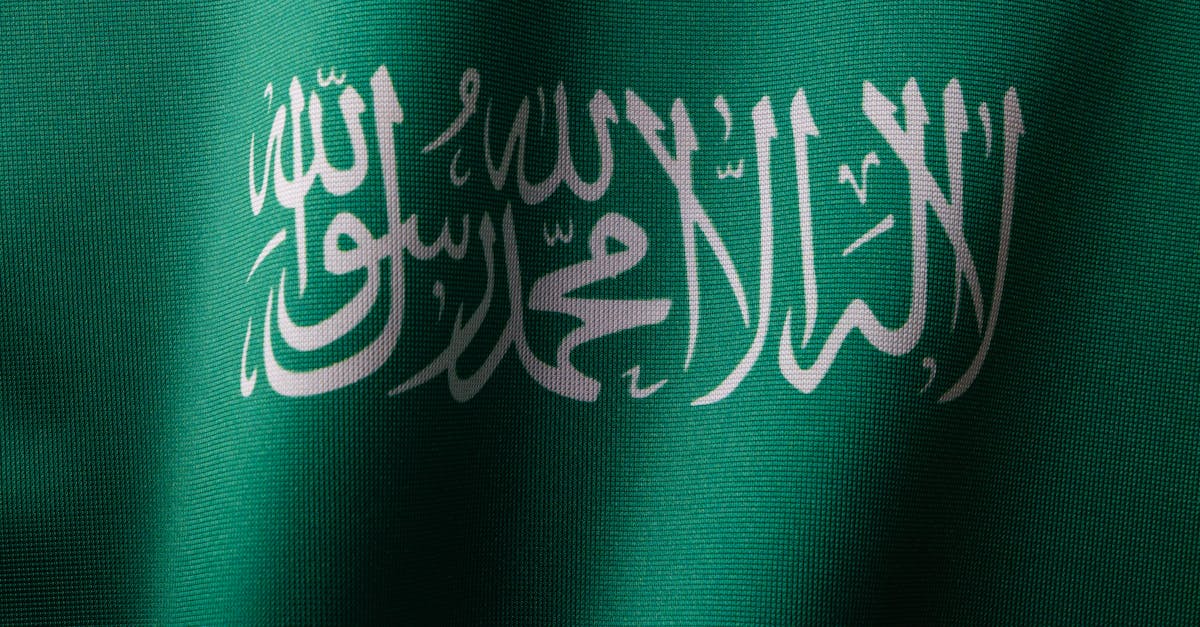
Saudi Arabia isn’t just about deserts and oil; it’s a vibrant tapestry of rich traditions, fascinating customs, and a dash of modern flair. From the bustling souks to the serene beauty of its landscapes, this kingdom offers a cultural experience that’s as diverse as its geography.
Table of Contents
ToggleOverview of Saudi Arabia Culture
Saudi Arabian culture reflects a rich tapestry of history, tradition, and modernity. Influenced by Islamic heritage, daily life revolves around strong religious principles, closely intertwined with family values. Community gatherings often highlight the importance of familial connections and friendship.
Art forms in Saudi Arabia showcase the abundance of talent, including calligraphy, poetry, and music. Traditional dance is evident during festivities, with groups performing folklore dances like the Ardah. Culinary practices also reveal cultural depth, featuring dishes such as Kabsa and Ma’amoul, enjoyed during special occasions.
Languages spoken predominantly include Arabic, with various dialects found across different regions. Cultural expressions permeate the kingdom, seen in the vibrant souks and the architectural beauty of mosques. These elements portray a connection to the country’s Bedouin roots and urban evolution.
Dress codes reflect values, with many men wearing the thobe and women opting for the abaya. Respect for traditions governs interactions, emphasizing hospitality towards guests. Festivals like Eid al-Fitr and Eid al-Adha hold significant importance, bringing communities together for celebration and reflection.
Modern influences are noticeable in urban centers like Riyadh and Jeddah, where global trends merge with local customs. Entertainment options are expanding, promoting cultural exchanges through events, concerts, and film screenings. This cultural contrast underscores the dynamic nature of Saudi society, balancing heritage with contemporary aspirations.
Understanding these facets provides insight into Saudi Arabia’s unique identity and enduring legacy. Each aspect of culture contributes to a comprehensive understanding of the kingdom’s diverse landscape.
Major Aspects of Saudi Arabia Culture
Saudi Arabia’s culture encompasses a rich blend of traditions and modern influences, making it truly unique.
Traditional Arts and Crafts
Traditional arts and crafts play a significant role in Saudi culture. Fine craftsmanship characterizes unique items like pottery, jewelry, and woven textiles. Artisans often use age-old techniques handed down through generations, ensuring the preservation of cultural heritage. Intricate calligraphy reflects the importance of Arabic script and religious texts. In addition, traditional decorations adorn homes and public spaces, showcasing the beauty of Saudi artistic expression.
Music and Dance Forms
Music and dance forms contribute vibrancy to social gatherings. Various styles, including the folk dance “Ardah,” embody the spirit of celebration and storytelling. Musicians frequently use instruments such as the oud and darbuka, resulting in captivating performances. Celebrations often feature rhythmic beats that invite communal participation. Regional variations in dance and music reflect the diversity within Saudi culture, illustrating local traditions and influences.
Literature and Poetry
Literature and poetry receive deep respect in Saudi society. The Arabic language’s rich history nurtures numerous celebrated poets, some widely acclaimed for their contributions. Poetry often plays a crucial role in oral tradition, with themes encompassing love, nature, and social issues. Contemporary writers continue to thrive, exploring modern topics and merging traditional forms with contemporary styles. Literary festivals highlight this vibrant scene, fostering appreciation for both classic and modern works.
Religious Influence on Culture
Saudi Arabia’s culture is deeply entwined with religious practices and beliefs, primarily shaped by Islam. Daily routines reflect this connection, influencing various aspects of life.
Islam’s Role in Daily Life
Islam greatly impacts daily life in Saudi Arabia. Prayer observance occurs five times a day, punctuating the workweek. Many businesses pause during prayer times to allow employees to fulfill their spiritual obligations. Clothing choices often adhere to Islamic principles, promoting modesty. Dietary laws, particularly halal guidelines, govern food consumption, ensuring compliance with religious standards. Family gatherings and community events frequently emphasize Islamic teachings, reinforcing social bonds and cultural identity.
Religious Festivals and Celebrations
Religious festivals shape the cultural landscape in Saudi Arabia. Eid al-Fitr and Eid al-Adha represent significant moments for celebration. Eid al-Fitr marks the end of Ramadan, featuring communal prayers, feasting, and acts of charity. During Eid al-Adha, families commemorate the willingness of Ibrahim to sacrifice his son, with activities including prayers and sharing meals with the less fortunate. These celebrations offer opportunities for community engagement and enhance the social fabric among Saudis, fostering unity through shared experiences.
Social Customs and Etiquette
Saudi Arabian culture places a high value on social customs and etiquette, reflecting deep-rooted traditions and respect for community. Understanding these elements enriches the experience of interacting with locals.
Family Structure and Values
Family structure in Saudi Arabia emphasizes close-knit relationships. Families often comprise extended members, including grandparents, aunts, uncles, and cousins. Respect for elders holds significant importance within these families. Loyalty and support among family members dictate social interactions. Responsibilities towards family shape priorities in daily life, including decision-making and financial support. Celebrations, especially during religious festivals, reinforce family bonds. Traditional values also promote cooperation and unity within the community.
Dress Code and Gender Roles
Dress code in Saudi Arabia reflects cultural norms and religious beliefs. Men typically wear a thobe, a long white robe, while women often don the abaya, a loose-fitting black cloak. Both men and women observe modesty in their attire, which aligns with Islamic principles. Gender roles in society often hold distinct expectations. Men usually assume roles as providers and protectors, responsible for family welfare. Women, while increasingly participating in various sectors, traditionally focus on household duties and child-rearing. Recent changes encourage more gender inclusivity, promoting women’s involvement in public life and workforce opportunities.
Contemporary Culture and Trends
Saudi Arabia’s contemporary culture showcases a vibrant mix of modernity and tradition. This dynamic environment reflects the kingdom’s evolving identity, revealing a society that embraces change while honoring its rich heritage.
Modern Art and Cinema
Modern art and cinema play an increasingly vital role in Saudi culture. Artists experiment with various mediums, reflecting social themes and personal narratives. Established galleries, such as the King Abdulaziz Center for World Culture, promote local talent and host international exhibitions. The film industry has gained momentum, with cinema houses opening throughout the country, showcasing both Saudi and international films. Recent productions like “Balad” and the award-winning “Wadjda” highlight local stories and perspectives, allowing filmmakers to explore themes relevant to contemporary society.
Youth Culture and Lifestyle
Youth culture significantly influences Saudi Arabia’s evolving landscape. Young people actively engage in global trends, from fashion to technology. Social media platforms like Instagram and TikTok become outlets for self-expression and creativity. Music festivals draw large crowds, featuring both local and international artists, highlighting the kingdom’s growing appreciation for diverse sounds. As youth participation in leisure activities expands, traditional practices merge with modern interests, creating a unique cultural dialogue. Fashion also reflects this shift, as local designers gain recognition for their innovative styles while staying rooted in cultural identity.
Saudi Arabia’s culture represents a vibrant tapestry woven from its rich traditions and modern influences. This blend creates a unique identity that captivates both locals and visitors alike. The kingdom’s dedication to family values and community bonds is evident in everyday life and celebrations.
Art forms and culinary practices further enrich this cultural landscape, showcasing the creativity and craftsmanship of its people. As Saudi Arabia continues to evolve, it embraces modernity while honoring its deep-rooted heritage. This dynamic interplay offers a fascinating glimpse into a culture that’s as diverse as it is profound, inviting exploration and appreciation.