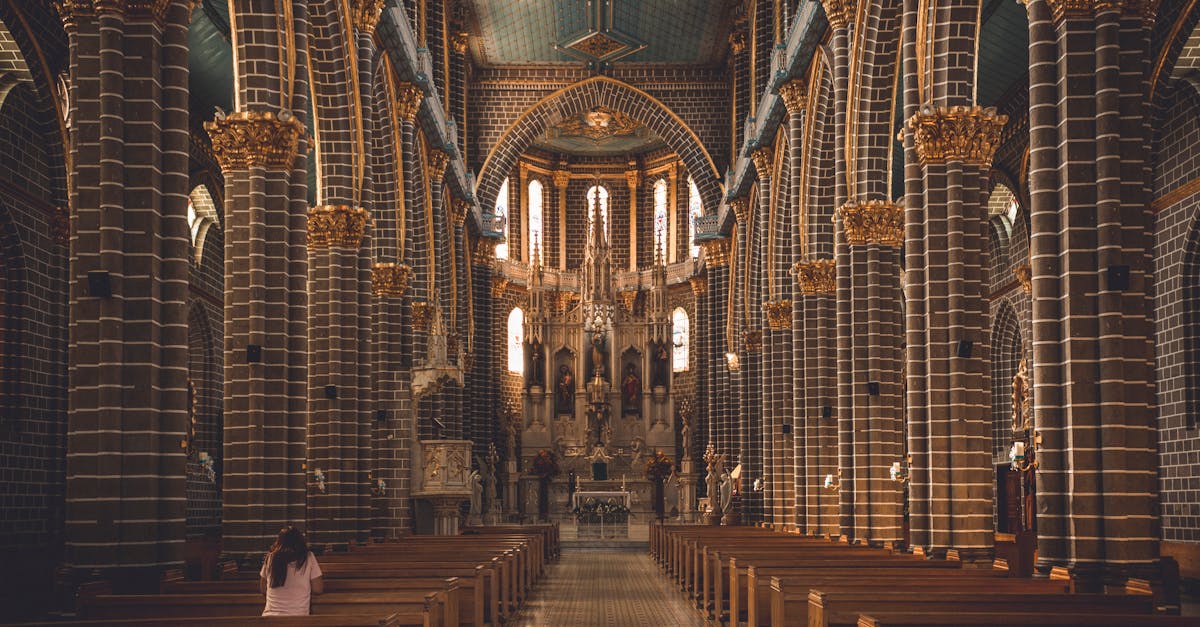
Colombia isn’t just about coffee that’ll make your heart race or the vibrant rhythms of salsa that’ll get your hips moving. It’s a treasure trove of culture that’ll leave anyone fascinated. From its colorful festivals that rival a rainbow to the mouthwatering dishes that could make even the pickiest eater swoon, Colombia offers a delightful blend of tradition and modernity.
Table of Contents
ToggleOverview of Colombia Culture
Colombia’s culture is a vibrant tapestry of influences from Indigenous, African, and European heritages. This fusion creates a unique identity reflected in the country’s customs, traditions, and artistic expressions. Figures in the arts exemplify this diversity, from renowned writers such as Gabriel García Márquez to celebrated musicians like Shakira.
Festivals play a crucial role in daily life, with events like Carnival de Barranquilla showcasing lively parades and traditional dances. These celebrations often highlight the regional diversity that defines Colombia. Food culture offers another glimpse into this rich heritage. Traditional dishes such as arepas and bandeja paisa represent regional flavors and culinary practices.
Additionally, Colombia is known for its rich artistic contributions. The country boasts a wide range of visual arts, including vibrant murals and crafts. Many artisans engage in techniques passed down through generations, ensuring the continuity of these practices.
Communities foster a strong sense of identity through music and dance. Cumbia and vallenato rhythms resonate throughout the nation, inviting locals and visitors to participate. Various genres reflect cultural narratives, often addressing social issues and historical events.
Language also embodies the cultural richness. While Spanish is the official language, over 68 Indigenous languages are spoken, enriching the linguistic heritage. Colombia’s cultural landscape remains dynamic, adapting to global influences while preserving its roots.
Traditional Colombian Cuisine
Colombian cuisine represents a vibrant blend of flavors and cultural influences, showcasing the country’s diversity.
Popular Colombian Dishes
Arepas stand out as a national staple. These cornmeal cakes can be grilled, baked, or fried, often stuffed with cheese or meats. Bandeja paisa serves as another iconic meal, featuring rice, beans, ground meat, chicharrón, avocado, and a fried egg. Sancocho, a hearty soup made with chicken, beef, or fish, commonly includes plantains, yuca, and potatoes. Ajiaco, a chicken soup with corn and potatoes, showcases traditional ingredients from the Andes. Empanadas, filled pastries, frequently contain beef or chicken and serve as a popular street food choice.
Regional Variations in Food
Colombian cuisine varies significantly by region. In the Caribbean coast, dishes like seafood-based ceviche and coconut rice reflect coastal flavors. The Andes region boasts meals rich in potatoes and maize, with dishes like cuchuco, a hearty grain soup. The Amazon basin introduces exotic fruits and fish into local meals. Antioquia emphasizes grains, evident in its famous bandeja paisa. Valle del Cauca features sancocho with variations in ingredients. Each region’s unique climate and resources contribute to a distinct culinary identity that enhances Colombia’s cultural richness.
Colombian Festivals and Celebrations
Colombia’s festivals showcase the nation’s vibrant culture, offering immersive experiences filled with music, dance, and color. Celebrations throughout the year highlight regional identities and age-old traditions.
Major Cultural Festivals
Carnival de Barranquilla stands out as one of the largest and most famous festivals. It attracts thousands of visitors every February, featuring lively parades, vibrant costumes, and rhythmic music. Feria de Cali, celebrated in late December, showcases salsa music and dance, with numerous competitions and performances. Another notable festival, Festival de la Leyenda Vallenata, celebrates the Vallenato music genre in Valledupar every April. These events reflect the rich cultural tapestry, offering a window into Colombia’s artistic expressions.
Traditional Music and Dance
Music and dance form the heartbeat of Colombian culture. Cumbia, a folkloric rhythm with African, Indigenous, and Spanish influences, captivates audiences during various festivals. Bambuco, another traditional music genre, merges Indigenous and Spanish roots, often performed at local celebrations. Dancers dressed in colorful costumes bring these rhythms to life, creating captivating performances that attract both locals and tourists. Salsa dancing also enjoys immense popularity, especially in cities like Cali, where salsa schools and clubs abound. These vibrant expressions highlight Colombia’s diverse heritage, preserving traditions while embracing contemporary influences.
Arts and Literature in Colombia
Colombia’s arts and literature mirror its diverse culture. Various influences shape these creative industries, resulting in a captivating landscape.
Influential Colombian Artists
Renowned Colombian artists contribute significantly to global art. Fernando Botero, famous for his unique portrayal of exaggerated forms, captivates audiences worldwide. Doris Salcedo explores themes of memory and loss through powerful installations. Their works reflect Colombia’s social and political climate. Edgar Negret, known for his striking sculptures, incorporates dynamic forms into public spaces. Together, these artists share a vision of Colombia that transcends boundaries, sparking dialogue and appreciation within the international art community.
Notable Literary Figures
Colombia boasts a rich literary heritage marked by celebrated authors. Gabriel García Márquez, who won the Nobel Prize, revolutionized literature with magical realism in works like “One Hundred Years of Solitude.” Laura Restrepo, another prominent figure, weaves narratives that highlight Colombia’s complexities. Jorge Franco gained recognition with his novels exploring themes of identity and violence. These authors not only illustrate Colombia’s literary prowess but also connect with universal themes, resonating with readers around the globe. Their contributions enrich Colombian culture and offer insights into the country’s history and identity.
Language and Communication
Colombia’s linguistic landscape reflects its cultural richness and diversity. Spanish serves as the official language, spoken by over 99% of the population.
Languages Spoken in Colombia
Several Indigenous languages also thrive, such as Wayuu, Embera, and Nasa Yuwe, highlighting regional heritage. English appears in tourist areas and business sectors, especially among younger generations. Local dialects and accents vary, with distinctive features found in coastal and mountainous regions. Volcanic areas demonstrate unique speech patterns influenced by geography and community history. This variety creates a tapestry of communication that enriches Colombia’s identity.
Colombian Slang and Expressions
Colombian Spanish includes vibrant slang and idiomatic expressions, making conversation lively and engaging. Phrases like “¡Qué chévere!” convey enthusiasm, translating to “How cool!”. Likewise, “hacer una vaca” expresses the idea of pooling money for a group expense. Each region showcases its own slang variations, contributing to the feeling of community. Understanding these expressions deepens cultural appreciation and social interaction. Language embodies daily life in Colombia, from casual greetings to formal exchanges, reflecting the dynamic nature of Colombian society.
Colombia’s culture is a vivid celebration of diversity that captivates everyone it encounters. From its lively festivals to its rich culinary traditions and artistic achievements, the nation offers a unique blend of influences that shape its identity. The warmth of its people and the vibrancy of its traditions create an inviting atmosphere for visitors. As Colombia continues to evolve while honoring its roots, it remains a destination that invites exploration and appreciation. Each experience in Colombia reveals layers of history and creativity that resonate with those eager to discover its cultural treasures.